Buy haftungsrecht.eu ?
We are moving the project
haftungsrecht.eu .
Are you interested in purchasing the domain
haftungsrecht.eu ?
domain@kv-gmbh.de · 0541-91531010
Buy haftungsrecht.eu ?
What is covalent development?
Covalent development is a term used in the context of software development to describe a collaborative approach to building and maintaining software. It involves multiple developers working together on the same codebase, using version control systems to manage changes and updates. Covalent development emphasizes communication, teamwork, and shared responsibility for the code, leading to a more efficient and cohesive development process. This approach allows for greater flexibility and adaptability in responding to changes and challenges in the development process. **
What are covalent bonds?
Covalent bonds are a type of chemical bond formed between two atoms when they share one or more pairs of electrons. This sharing of electrons allows both atoms to achieve a more stable electron configuration, typically by filling their outermost energy levels. Covalent bonds are typically found in molecules and are responsible for holding the atoms together to form the structure of the molecule. These bonds can be either polar, where the shared electrons are not equally distributed between the atoms, or nonpolar, where the shared electrons are equally distributed. **

Similar search terms for Covalent
Top-Angebote
Products related to Covalent:




-
What is a covalent bond?
A covalent bond is a type of chemical bond that involves the sharing of electron pairs between atoms. This sharing of electrons allows each atom to achieve a more stable electron configuration, typically by filling their outermost energy level. Covalent bonds are typically found in molecules and are stronger than other types of chemical bonds, such as ionic bonds. The number of shared electrons can vary, leading to different types of covalent bonds, such as single, double, or triple bonds. **
-
Does private liability insurance cover damages caused by pets?
Yes, private liability insurance typically covers damages caused by pets. This type of insurance provides coverage for personal liability, which includes damages or injuries caused by your pets to others or their property. However, it's important to review the specific policy to understand the coverage limits and any exclusions related to pet-related damages. Additionally, some insurance companies may offer specific pet liability insurance as an add-on to a standard liability policy for added protection. **
-
Why is SO4 a covalent bond?
SO4 is a covalent bond because it is formed between non-metal atoms. In the case of SO4, sulfur is a non-metal and oxygen is also a non-metal. When non-metal atoms bond together, they share electrons to form a stable outer electron configuration, which is a characteristic of covalent bonding. Additionally, the electronegativity difference between sulfur and oxygen is not large enough to form an ionic bond, further supporting the covalent nature of the SO4 bond. **
-
Can you explain the covalent bond?
A covalent bond is a type of chemical bond that involves the sharing of electron pairs between atoms. This sharing of electrons allows each atom to achieve a full outer electron shell, making the atoms more stable. Covalent bonds are typically formed between nonmetal atoms, and the strength of the bond is determined by the number of shared electrons and the distance between the nuclei of the atoms. Covalent bonds can be either polar or nonpolar, depending on the electronegativity difference between the atoms involved. **


What does "covalent" mean in chemistry?
In chemistry, "covalent" refers to a type of chemical bond that involves the sharing of electron pairs between atoms. This type of bond is formed between nonmetal atoms and is characterized by the atoms sharing electrons in order to achieve a stable electron configuration. Covalent bonds are typically strong and result in the formation of molecules. **
What is a non-covalent bond?
A non-covalent bond is a type of chemical bond that does not involve the sharing of electrons between atoms. Instead, non-covalent bonds are formed through electrostatic interactions, such as hydrogen bonding, van der Waals forces, and ion-dipole interactions. These bonds are generally weaker than covalent bonds and can be easily broken under certain conditions. **
Top-Angebote
Products related to Covalent:
-
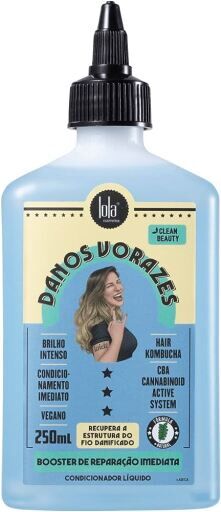
Lola Cosmetics Immediate Repair Conditioner Damages Vorazes BoosterHealth and Beauty Hair conditioners Lola Cosmetics Immediate Repair Conditioner Damages Vorazes Booster Repairing liquid conditioner rich in CBA and Hair Kombucha. Formula rich in probiotic complex that recovers hair damaged by chemical products, restoring vitality and health. At temperatures below 14C, the physical state can change from liquid to cream, without altering the effectiveness of the treatment. Provides immediate conditioning and intense shine, recovering the structure of damaged hair. Leaves your hair strong, soft, frizz-free and with a luminous shine. How to use: Do not apply directly to the scalp. When applying, a sensation of heat is produced by the mixture of ingredients. The mixture of ingredients activates the sensation of heat when applied.20,30 £*Shipping: 3,99 £Secure redirect to the provider
-
Fructis Repair Shampoo Goodbye Damages 300 ml 300 mlHealth and Beauty Shampoos Fructis Repair Shampoo Goodbye Damages 300 ml 300 ml Forget about damaged hair, and repair 1 year of Damage in 3 applications with Fructis Goodbye Damages. Garnier Fructis Fortifying Goodbye Shampoo Damage is the solution to be able to say goodbye to severely damaged or devitalized hair. Its formula with Keraphyll and Amla Fruit Oil repairs hair damage from the inside. Instrumental tests shampoo + conditioner + serum - 3 applications per week. Evaluation of the softness and condition of the fiber surface.3,39 £*Shipping: 3,99 £Secure redirect to the provider
-
What is covalent development?
Covalent development is a term used in the context of software development to describe a collaborative approach to building and maintaining software. It involves multiple developers working together on the same codebase, using version control systems to manage changes and updates. Covalent development emphasizes communication, teamwork, and shared responsibility for the code, leading to a more efficient and cohesive development process. This approach allows for greater flexibility and adaptability in responding to changes and challenges in the development process. **
-
What are covalent bonds?
Covalent bonds are a type of chemical bond formed between two atoms when they share one or more pairs of electrons. This sharing of electrons allows both atoms to achieve a more stable electron configuration, typically by filling their outermost energy levels. Covalent bonds are typically found in molecules and are responsible for holding the atoms together to form the structure of the molecule. These bonds can be either polar, where the shared electrons are not equally distributed between the atoms, or nonpolar, where the shared electrons are equally distributed. **
-
What is a covalent bond?
A covalent bond is a type of chemical bond that involves the sharing of electron pairs between atoms. This sharing of electrons allows each atom to achieve a more stable electron configuration, typically by filling their outermost energy level. Covalent bonds are typically found in molecules and are stronger than other types of chemical bonds, such as ionic bonds. The number of shared electrons can vary, leading to different types of covalent bonds, such as single, double, or triple bonds. **
-
Does private liability insurance cover damages caused by pets?
Yes, private liability insurance typically covers damages caused by pets. This type of insurance provides coverage for personal liability, which includes damages or injuries caused by your pets to others or their property. However, it's important to review the specific policy to understand the coverage limits and any exclusions related to pet-related damages. Additionally, some insurance companies may offer specific pet liability insurance as an add-on to a standard liability policy for added protection. **
Similar search terms for Covalent
-
Why is SO4 a covalent bond?
SO4 is a covalent bond because it is formed between non-metal atoms. In the case of SO4, sulfur is a non-metal and oxygen is also a non-metal. When non-metal atoms bond together, they share electrons to form a stable outer electron configuration, which is a characteristic of covalent bonding. Additionally, the electronegativity difference between sulfur and oxygen is not large enough to form an ionic bond, further supporting the covalent nature of the SO4 bond. **
-
Can you explain the covalent bond?
A covalent bond is a type of chemical bond that involves the sharing of electron pairs between atoms. This sharing of electrons allows each atom to achieve a full outer electron shell, making the atoms more stable. Covalent bonds are typically formed between nonmetal atoms, and the strength of the bond is determined by the number of shared electrons and the distance between the nuclei of the atoms. Covalent bonds can be either polar or nonpolar, depending on the electronegativity difference between the atoms involved. **
-
What does "covalent" mean in chemistry?
In chemistry, "covalent" refers to a type of chemical bond that involves the sharing of electron pairs between atoms. This type of bond is formed between nonmetal atoms and is characterized by the atoms sharing electrons in order to achieve a stable electron configuration. Covalent bonds are typically strong and result in the formation of molecules. **
-
What is a non-covalent bond?
A non-covalent bond is a type of chemical bond that does not involve the sharing of electrons between atoms. Instead, non-covalent bonds are formed through electrostatic interactions, such as hydrogen bonding, van der Waals forces, and ion-dipole interactions. These bonds are generally weaker than covalent bonds and can be easily broken under certain conditions. **
* All prices are inclusive of VAT and, if applicable, plus shipping costs. The offer information is based on the details provided by the respective shop and is updated through automated processes. Real-time updates do not occur, so deviations can occur in individual cases. ** Note: Parts of this content were created by AI.