Buy haftungsrecht.eu ?
We are moving the project
haftungsrecht.eu .
Are you interested in purchasing the domain
haftungsrecht.eu ?
domain@kv-gmbh.de · 0541-91531010
Buy haftungsrecht.eu ?
Does private liability insurance cover damages caused by pets?
Yes, private liability insurance typically covers damages caused by pets. This type of insurance provides coverage for personal liability, which includes damages or injuries caused by your pets to others or their property. However, it's important to review the specific policy to understand the coverage limits and any exclusions related to pet-related damages. Additionally, some insurance companies may offer specific pet liability insurance as an add-on to a standard liability policy for added protection. **
Does liability insurance cover damages caused by a stove connection?
Yes, liability insurance typically covers damages caused by a stove connection. If the stove connection causes a fire or other damage to the property, liability insurance can help cover the cost of repairs or replacement. It is important to review the specific terms and coverage limits of your liability insurance policy to ensure that damages caused by a stove connection are included. **

Similar search terms for Nervousness
Top-Angebote
Products related to Nervousness:
-
Uplift Picks DO9100 Portable Dissolved Oxygen Meter With Temperature Compensation DO9100 Portable Dissolved Oxygen Meter With Temperature CompensationCheck whether water contains enough oxygen to support healthy aquatic conditions. This portable water quality analyzer measures dissolved oxygen in mgL or percent saturation while displaying temperature. Its polarographic probe, temperature...510,48 $*Shipping: 0,00 $Secure redirect to the provider




-
What is constant nervousness?
Constant nervousness is a state of persistent anxiety and unease that can manifest as a feeling of being on edge, worried, or fearful. It can be accompanied by physical symptoms such as trembling, sweating, and a racing heart. Constant nervousness can interfere with daily activities and may be a sign of an underlying anxiety disorder. It is important to seek support from a mental health professional if you are experiencing constant nervousness. **
-
How does nervousness feel?
Nervousness can feel like a knot in the stomach, a racing heart, sweaty palms, and a sense of unease or worry. It can also manifest as difficulty concentrating, feeling on edge, or having a sense of impending doom. Nervousness can vary in intensity from mild to severe, and it can be accompanied by physical symptoms as well as emotional distress. Overall, nervousness is a combination of physical and emotional sensations that can be uncomfortable and distressing. **
-
What causes strong nervousness?
Strong nervousness can be caused by a variety of factors, including high levels of stress, fear of failure or rejection, lack of confidence, and past traumatic experiences. It can also be triggered by social situations, public speaking, or performance anxiety. Additionally, certain medical conditions, such as anxiety disorders, can also contribute to strong nervousness. Overall, strong nervousness is often a result of a combination of psychological, emotional, and physiological factors. **
-
Does nervousness affect admission?
Nervousness can potentially affect admission in the sense that it may impact the way an applicant presents themselves during an interview or in their application materials. If nervousness leads to a lack of confidence or difficulty articulating thoughts and experiences, it could potentially hinder the impression that an admissions committee forms of the applicant. However, many admissions committees understand that nervousness is a natural response to high-stakes situations and may take this into consideration when evaluating an applicant. It's important for applicants to try to manage their nervousness as best as they can and to remember that admissions decisions are based on a holistic review of their qualifications and potential, not just their performance in one moment. **


Are there medications for nervousness?
Yes, there are medications available to help manage nervousness and anxiety. These medications are typically prescribed by a doctor and may include selective serotonin reuptake inhibitors (SSRIs), serotonin-norepinephrine reuptake inhibitors (SNRIs), benzodiazepines, and beta blockers. It's important to consult with a healthcare professional to determine the most appropriate medication and treatment plan for individual needs. Additionally, therapy and lifestyle changes may also be recommended to help manage nervousness. **
What causes nervousness before training?
Nervousness before training can be caused by a variety of factors. It could be due to the pressure of performing well, fear of injury, or the anticipation of a challenging workout. Additionally, nervousness can stem from a lack of confidence in one's abilities or feeling self-conscious about one's performance in front of others. It's also common for nervousness to arise from the desire to meet expectations, whether they are self-imposed or from others. Overall, nervousness before training is a natural response to the physical and mental demands of exercise and can be managed through proper preparation and mindset. **
Top-Angebote
Products related to Nervousness:
-
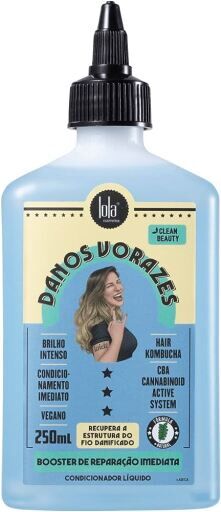
Lola Cosmetics Immediate Repair Conditioner Damages Vorazes BoosterHealth and Beauty Hair conditioners Lola Cosmetics Immediate Repair Conditioner Damages Vorazes Booster Repairing liquid conditioner rich in CBA and Hair Kombucha. Formula rich in probiotic complex that recovers hair damaged by chemical products, restoring vitality and health. At temperatures below 14C, the physical state can change from liquid to cream, without altering the effectiveness of the treatment. Provides immediate conditioning and intense shine, recovering the structure of damaged hair. Leaves your hair strong, soft, frizz-free and with a luminous shine. How to use: Do not apply directly to the scalp. When applying, a sensation of heat is produced by the mixture of ingredients. The mixture of ingredients activates the sensation of heat when applied.20,24 £*Shipping: 3,99 £Secure redirect to the provider
-
Uplift Picks DO9100 Portable Dissolved Oxygen Meter With Temperature Compensation DO9100 Portable Dissolved Oxygen Meter With Temperature CompensationCheck whether water contains enough oxygen to support healthy aquatic conditions. This portable water quality analyzer measures dissolved oxygen in mgL or percent saturation while displaying temperature. Its polarographic probe, temperature...510,48 $*Shipping: 0,00 $Secure redirect to the provider
-
Does private liability insurance cover damages caused by pets?
Yes, private liability insurance typically covers damages caused by pets. This type of insurance provides coverage for personal liability, which includes damages or injuries caused by your pets to others or their property. However, it's important to review the specific policy to understand the coverage limits and any exclusions related to pet-related damages. Additionally, some insurance companies may offer specific pet liability insurance as an add-on to a standard liability policy for added protection. **
-
Does liability insurance cover damages caused by a stove connection?
Yes, liability insurance typically covers damages caused by a stove connection. If the stove connection causes a fire or other damage to the property, liability insurance can help cover the cost of repairs or replacement. It is important to review the specific terms and coverage limits of your liability insurance policy to ensure that damages caused by a stove connection are included. **
-
What is constant nervousness?
Constant nervousness is a state of persistent anxiety and unease that can manifest as a feeling of being on edge, worried, or fearful. It can be accompanied by physical symptoms such as trembling, sweating, and a racing heart. Constant nervousness can interfere with daily activities and may be a sign of an underlying anxiety disorder. It is important to seek support from a mental health professional if you are experiencing constant nervousness. **
-
How does nervousness feel?
Nervousness can feel like a knot in the stomach, a racing heart, sweaty palms, and a sense of unease or worry. It can also manifest as difficulty concentrating, feeling on edge, or having a sense of impending doom. Nervousness can vary in intensity from mild to severe, and it can be accompanied by physical symptoms as well as emotional distress. Overall, nervousness is a combination of physical and emotional sensations that can be uncomfortable and distressing. **
Similar search terms for Nervousness
-
What causes strong nervousness?
Strong nervousness can be caused by a variety of factors, including high levels of stress, fear of failure or rejection, lack of confidence, and past traumatic experiences. It can also be triggered by social situations, public speaking, or performance anxiety. Additionally, certain medical conditions, such as anxiety disorders, can also contribute to strong nervousness. Overall, strong nervousness is often a result of a combination of psychological, emotional, and physiological factors. **
-
Does nervousness affect admission?
Nervousness can potentially affect admission in the sense that it may impact the way an applicant presents themselves during an interview or in their application materials. If nervousness leads to a lack of confidence or difficulty articulating thoughts and experiences, it could potentially hinder the impression that an admissions committee forms of the applicant. However, many admissions committees understand that nervousness is a natural response to high-stakes situations and may take this into consideration when evaluating an applicant. It's important for applicants to try to manage their nervousness as best as they can and to remember that admissions decisions are based on a holistic review of their qualifications and potential, not just their performance in one moment. **
-
Are there medications for nervousness?
Yes, there are medications available to help manage nervousness and anxiety. These medications are typically prescribed by a doctor and may include selective serotonin reuptake inhibitors (SSRIs), serotonin-norepinephrine reuptake inhibitors (SNRIs), benzodiazepines, and beta blockers. It's important to consult with a healthcare professional to determine the most appropriate medication and treatment plan for individual needs. Additionally, therapy and lifestyle changes may also be recommended to help manage nervousness. **
-
What causes nervousness before training?
Nervousness before training can be caused by a variety of factors. It could be due to the pressure of performing well, fear of injury, or the anticipation of a challenging workout. Additionally, nervousness can stem from a lack of confidence in one's abilities or feeling self-conscious about one's performance in front of others. It's also common for nervousness to arise from the desire to meet expectations, whether they are self-imposed or from others. Overall, nervousness before training is a natural response to the physical and mental demands of exercise and can be managed through proper preparation and mindset. **
* All prices are inclusive of VAT and, if applicable, plus shipping costs. The offer information is based on the details provided by the respective shop and is updated through automated processes. Real-time updates do not occur, so deviations can occur in individual cases. ** Note: Parts of this content were created by AI.